
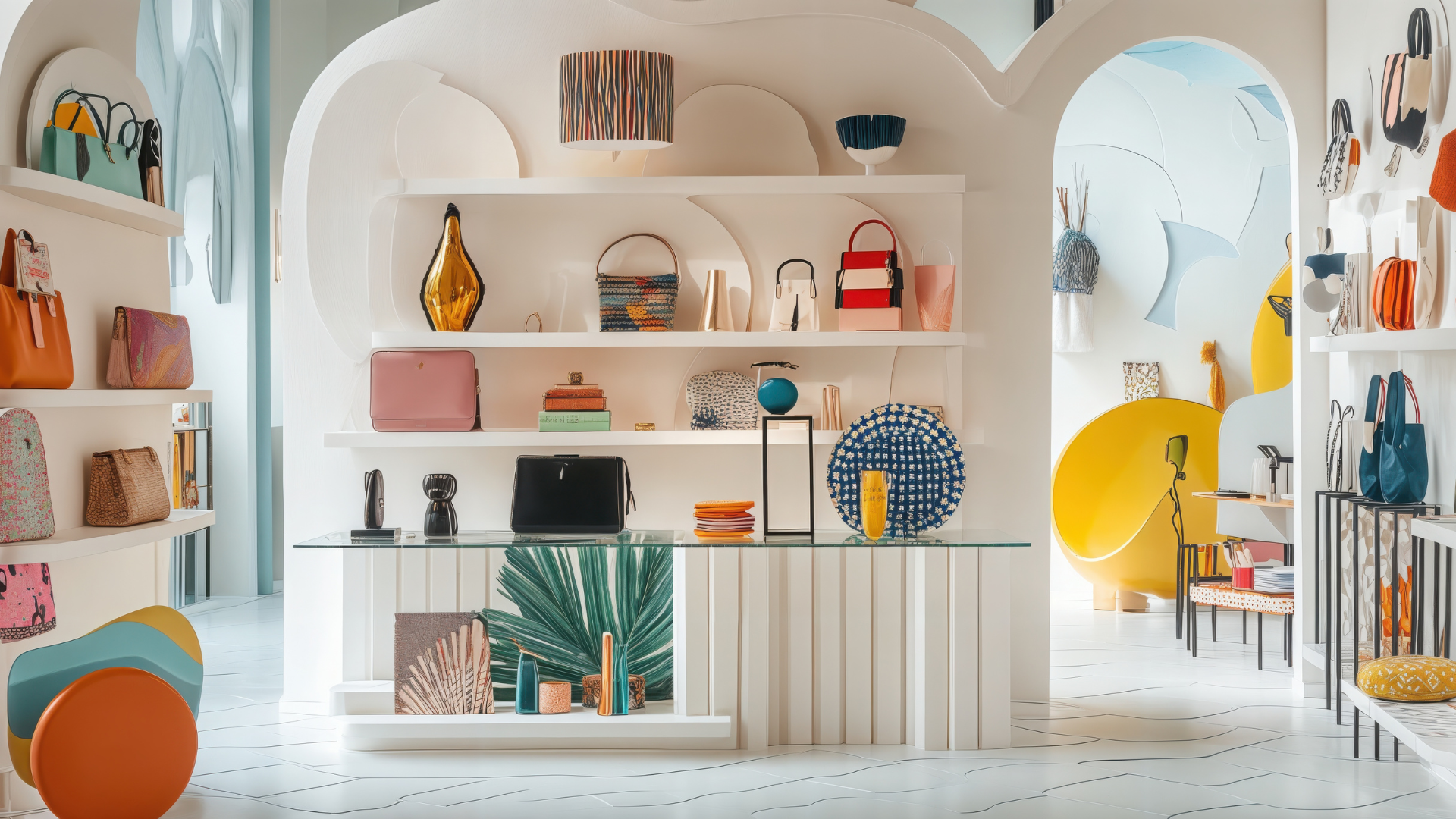
What Is Specialty Retail & Why It Matters
Specialty retail refers to stores that focus on a particular category or niche. They offer curated, often high-expertise goods rather than the broad, general merchandise found in big-box stores. Specialty retailers cater to consumers seeking unique products, expert knowledge, or tailored shopping experiences.
That focus can make specialty retail an appealing arena for franchising: rather than competing broadly, specialty franchises can aim to serve well-defined niches, build loyal customer bases, and avoid direct competition with mass-market retailers.
As of 2025, estimates show the U.S. “small specialty retail stores” sector generates about US$ 68.4 billion in annual revenue, highlighting the size and resilience of the specialty-retail market.
Even with shifts toward online shopping, specialty retail remains relevant. Many niche retailers leverage both brick-and-mortar presence and online/omnishop channels to meet customer demand across platforms.
What Types of Specialty Retail Franchises Exist
Specialty franchises can span a wide variety of niches, including but not limited to:
- Apparel, footwear, or fashion-accessory boutiques
- Health, wellness, or beauty retail — cosmetics, supplements, grooming products
- Pet supplies and specialty pet-care retail
- Hobby, sport, or lifestyle-focused stores (e.g. outdoor gear, fitness accessories, musical instruments, crafts)
- Home-goods, décor, or specialty home improvement goods
- Niche gift stores, collectibles, or hobby-specific shops
The key is a focused product line or theme rather than a broad general-merchandise assortment. This allows for deeper specialization, potential brand loyalty, and the ability to stand out from big-box or generic retailers.
5 Unique Advantages to Specialty Retail Franchises
Here are some of the advantages to specialty retail franchising (compared with general retail or starting a standalone niche store):
#1 – Established Demand & Niche Customers
Specialty retail fills a need for curated or niche goods that broader retailers may not provide. For customers who value expertise or specialized product lines, a specialty store becomes go-to.
#2 – Proven Systems + Brand Support
As a franchisee, you get the benefits of a tested retail model (inventory sourcing, branding, marketing, operations). Franchise support reduces the risk of owning a business when compared to an independent start-up.
#3 – Scalable & Repeatable Model
With a franchise, once the business model works, it can often be replicated. Mix that with niche-market appeal, and you have a model that can scale across territories or units.
#4 – Ability to Combine On-Site and Online
Many specialty retail brands today operate omnichannel (brick-and-mortar + online), which helps reach more customers and hedge against fluctuations in foot traffic. According to recent data, online sales for the top specialty retailers reached nearly $29 billion in 2023.
#5 – Resilience & Growth Potential
The specialty retail sector shows consistent growth — the “small specialty retail stores” subsector is forecast to grow at around a 4.0% CAGR through 2025.
What to Evaluate When Considering a Specialty Retail Franchise
If you’re looking into a specialty retail franchise opportunity, here are key factors to examine closely:
- Niche Strength & Market Demand: Is the product line strong enough to sustain demand? Is it too narrow or too trendy? A good specialty franchise balances niche appeal with enough market reach.
- Inventory, Supply Chain & Ordering Systems: Specialty retail often relies on specific suppliers, inventory sourcing and reorder systems. A good franchise provides robust supplier relationships and supply-chain support.
- Brand Differentiation & Customer Experience: What makes the store stand out? Expertise, curated selections, customer service, unique products — these matter for specialty retail to thrive.
- Omnichannel Strategy: Given consumer behavior, a mix of physical store + online presence could be crucial. Ensure the franchise supports e-commerce, digital marketing, and integrations to capture both in-store and online customers.
- Scalability & Location Strategy: How many units can realistically be supported? Is the niche broad enough for multiple units? What markets or geographies does the brand target?
- Costs & ROI Expectations: Specialty retail may require specific inventories, merchandising standards, and store fit-outs. Evaluate start-up costs, ongoing inventory investment, and realistic sales projections.
- Competition & Market Saturation: Are there many similar retailers nearby? Is the niche oversaturated? Differentiation and value will matter heavily.
- Owner Fit: Running a specialty retail franchise often requires attention to detail, good merchandising sense, and strong customer service orientation. That might be different than a hands-off or semi-absentee franchise model.
Challenges & Risks to Be Aware Of
As with any business model, specialty retail franchises come with tradeoffs:
- Inventory Risk & Overhead: Specialty inventory might not turn over quickly. Unsold stock or slow-moving merchandise can tie up capital.
- Market Trends & Changes in Consumer Tastes: Niches can go in and out of fashion. What’s hot today may cool, requiring flexibility and adaptive inventory management.
- Competition from Big-Box Retailers & E-commerce: Large retailers and online marketplaces can undercut prices, so differentiators like curation, customer experience, or brand loyalty become essential.
- Need for Strong Merchandising & Management: Success often depends on good selection, store layout, customer experience, and ongoing marketing. This requires more hands-on involvement than “passive” models.
- Sensitivity to Economic Shifts: Specialty goods may be considered discretionary; in economic downturns, customers may cut back on niche purchases first.
Is a Specialty Retail Franchise Right for You?
Specialty retail franchising tends to be a good fit for entrepreneurs who:
- Are passionate about a particular niche (fashion, pets, hobbies, wellness, etc.)
- Value customer experience, curation and product expertise over high-volume sales
- Want to operate a retail business with brand support, established supply chains, and marketing backing
- Are prepared to manage inventory, merchandising, customer relationships — not just “set it and forget it”
- Want potential for growth, expansion, and scalability, especially if the franchise can support multiple units or omni-channel sales
If you’re considering franchise ownership and specialty retail appeals to you, it can offer a compelling mix of niche focus, brand support, customer loyalty, and growth potential.
Need Help Navigating Your Options?
The specialty retail sector continues to offer strong opportunities in 2025: a large overall market, niche demand, and continued growth potential. For the right entrepreneur, a specialty retail franchise provides a path to combine your passion with a structured business model. It balances the benefits of franchising with the unique appeal of niche retail.
If you’d like help evaluating specialty retail franchise opportunities or seeing which niches might fit your goals and market, reach out to an expert franchise consultant at FranNet. Schedule your free consultation today to get started!