
Commercial Cleaning Franchise
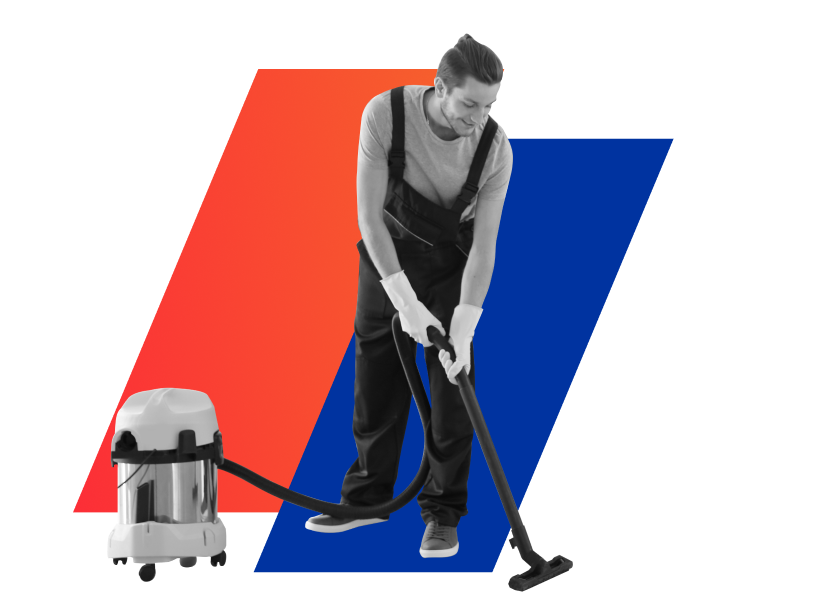
A commercial cleaning franchise provides contracted, recurring janitorial and specialist cleaning to businesses such as offices, medical facilities, schools and industrial sites, using a franchisor’s brand and systems. It tends to fit people who are comfortable selling to facility managers and managing crews that often work evenings. What you invest depends on the model you choose, your territory, and the equipment, vehicles, insurance and working capital your services need; each franchisor lists its estimated initial investment in Item 7 of its Franchise Disclosure Document (FDD).
How much does it cost to open a commercial cleaning franchise?
The investment range is wide because very different roles sit inside the category. The model you choose shapes the estimate you will see in Item 7 of each franchisor’s FDD:
- Unit or single-operator franchises: you win, or are assigned, and service contracts in a defined territory. Lower entry cost; capital goes into the initial fee, equipment, vehicles, insurance and working capital.
- Master franchise licenses: you hold rights to a region and, depending on the structure, sell and support unit franchises there. Substantially higher entry cost, and a fundamentally different job: you are recruiting and supporting franchisees rather than cleaning buildings.
Specialist niches sit alongside general janitorial: kitchen-hood cleaning, medical-facility cleaning, floor care, window cleaning and post-construction cleanup. They typically require specific equipment, certification or compliance knowledge, which affects what you invest and which clients you can serve.
The hidden cost to plan for is not equipment. It is working capital: commercial clients commonly pay invoices on terms, weeks after the work is done, while payroll is due every week or two, and undercapitalized owners can get caught in that gap during growth, when each new contract adds payroll before it adds payments. Item 7 includes the additional funds the franchisor estimates you will need during an initial period of operation; compare that estimate with your own cash cushion.
What does the owner do?
It depends on the model. In some models you sell contracts and manage crews; in others, including some single-operator units that receive accounts from the franchisor, you do more of the cleaning yourself. Ask which role a model expects. Where you build the client base yourself, much of the early work is business development: identifying facilities, quoting, and winning agreements. After that it becomes crew management and quality auditing, handled client by client across your territory. Work is usually sold as ongoing service agreements, so keeping clients through renewals is a core part of the job. Contracts tend to build on each other: a client other businesses recognize can add credibility when you quote the next facility.
Much commercial cleaning, especially in offices, happens outside business hours, which shapes the job in a way buyers often miss: much of your workforce may work evenings or overnight, and managing a distributed night crew you rarely see in person is a distinct skill. Systems, checklists and inspection routines matter more than charisma.
What the data says about commercial cleaning franchises
The public franchise data cited here does not break out commercial cleaning on its own, so these are the closest sourced figures. They describe the wider market, not any one owner’s business.
- A related franchise line: IFA and FRANdata project that franchise output in the commercial and residential services line will grow 3.2% in 2026, to about $143.3 billion (IFA and FRANdata, 2026 Franchising Economic Outlook, p. 6). The report’s definition of that line includes maintenance services, home decor, design and remodel services, and building and construction services; it does not name commercial janitorial work, and it counts maid services under personal services instead, so treat this as context, not a measure of cleaning (IFA and FRANdata, 2026 Franchising Economic Outlook, pp. 1 and 2).
- Establishments in that line: IFA and FRANdata also project about 119,000 franchise establishments in the commercial and residential services line in 2026, up 3.2%. Like the output figure, this counts the whole line, not cleaning businesses alone (IFA and FRANdata, 2026 Franchising Economic Outlook, p. 29).
- Job growth: The U.S. Bureau of Labor Statistics projects employment of janitors and building cleaners to grow 2% from 2025 to 2035, slower than the average for all occupations (BLS Occupational Outlook Handbook, 2026, projections for 2025 to 2035).
- The cleaning workforce: BLS projects about 321,800 openings a year for janitors and building cleaners, on average, from 2025 to 2035, most of them to replace workers who leave (BLS Occupational Outlook Handbook, 2026, projections for 2025 to 2035). It is one reason to ask each franchisor how it helps owners recruit.
- Who employs cleaners: About 35% of janitors and building cleaners work in the services to buildings and dwellings industry, the largest employer group (BLS Occupational Outlook Handbook, 2026, data for 2025).
How to evaluate a commercial cleaning franchise
- Does the role fit how you want to work? If you would rather not spend much of your week prospecting and quoting, this may not be a match, because new work comes from signed agreements. Think, too, about managing crews who work while you sleep, the specific standards that medical, food-service and industrial sites carry, and the capital discipline to cover regular payroll while clients pay on terms.
- Does the franchisor supply accounts, or must you win every one? Some models include a starting contract base. That materially changes your first year, and its value should be verified rather than assumed.
- Which model suits your skills and budget? A unit franchise, a master license and a specialist niche each call for very different capital, role and risk.
- What is contract retention across the system, and what is typical annual churn?
- What do current franchisees say about the early stage? Ask how they won their first accounts, what support they actually used and whether the role matches what they expected. Item 19 of the FDD is where a franchisor may present financial performance information.
- What support exists for recruiting and retaining cleaning staff? Staffing is an ongoing task in this work, so ask how the franchisor helps.
A FranNet consultant can help you compare janitorial models, master licenses and specialist niches, and tell you which are awarding territories near you, free and with no obligation. You can also browse the directory or look at house cleaning and B2B franchises.
Frequently asked questions about commercial cleaning franchises
What is a commercial cleaning franchise?
It is a cleaning business run under a franchisor’s brand and systems that serves other businesses, such as offices, medical facilities, schools and industrial sites. Commercial work is done for businesses under service contracts, often outside business hours, while residential cleaning is done for households. Depending on the model, the owner mainly sells contracts and manages crews, or does more of the cleaning directly.
How much does it cost to buy a commercial cleaning franchise?
There is no single figure. The investment depends on whether you buy a unit franchise or a master license, the size of your territory, the equipment and vehicles your services need, insurance, and the working capital to cover payroll until clients pay. Each franchisor lists its estimated initial investment in Item 7 of its FDD, and a FranNet consultant can help you compare those estimates side by side at no cost to you.
Is an office cleaning franchise the same as a commercial cleaning franchise?
Office cleaning is one part of commercial cleaning. Many commercial cleaning franchises also serve medical facilities, schools, restaurants and industrial sites, and some focus on specialist work such as kitchen-hood cleaning or floor care. Ask each franchisor which kinds of facilities its model is built around, and think about which of those you would be comfortable selling to in your area.
How do I compare commercial cleaning franchise opportunities?
Start with fit: how much of your week you want to spend selling, whether you want to manage crews or do more of the cleaning yourself, and how much capital you can commit. Then compare each franchisor’s FDD side by side, including Item 7 for the estimated initial investment and Item 11 for the training it describes, and ask whether accounts are supplied or must be won. Prior cleaning experience is often not required, since many franchisors provide operational training, but specialist work may require certification, so ask what background each franchisor looks for.
Last reviewed October 2026.
Featured Commercial Cleaning brands
FranNet Verified Brand
- Industry:
- Cleaning
- Liquid Capital Required:
- $100,000
- Net Worth Required:
- $200,000
- Total Investment:
- $132,300 - $156,555
- Financing:
- Available
- Training:
- Available
FranNet Verified Brand
- Industry:
- Cleaning
- Liquid Capital Required:
- $350,000
- Net Worth Required:
- $1,500,000
- Total Investment:
- $350,000 - $450,000
- Financing:
- Via 3rd party
- Training:
- Available
FranNet Verified Brand
- Industry:
- Home Services
- Liquid Capital Required:
- $30,000
- Net Worth Required:
- $100,000
- Total Investment:
- $70,800 - $149,500
- Financing:
- Via 3rd party
- Training:
- Available
FranNet Verified Brand
- Industry:
- Cleaning
- Liquid Capital Required:
- $65,000
- Net Worth Required:
- $250,000
- Total Investment:
- $133,700 - $191,700
- Financing:
- Via 3rd party
- Training:
- Available
FranNet Verified Brand
- Industry:
- Business Services, Home...
- Liquid Capital Required:
- $150,000
- Net Worth Required:
- $250,000
- Total Investment:
- $128,500 - $150,400
- Financing:
- Available
- Training:
- Available

FranNet Verified Brand
- Industry:
- Cleaning
- Liquid Capital Required:
- $500,000
- Net Worth Required:
- $750,000
- Total Investment:
- $219,000 - $339,000
- Financing:
- Via 3rd party
- Training:
- Available
FranNet Verified Brand
- Industry:
- Cleaning
- Liquid Capital Required:
- $50,000
- Net Worth Required:
- $150,000
- Total Investment:
- $98,100 - $142,000
- Financing:
- Via 3rd party
- Training:
- Available

FranNet Verified Brand
- Industry:
- Cleaning
- Liquid Capital Required:
- $100,000
- Net Worth Required:
- $200,000
- Total Investment:
- $72,200 - $121,475
- Financing:
- Via 3rd party
- Training:
- Available